#25 - Benitt, Bill & Linda James
Faith Jones, AoR Archives Team
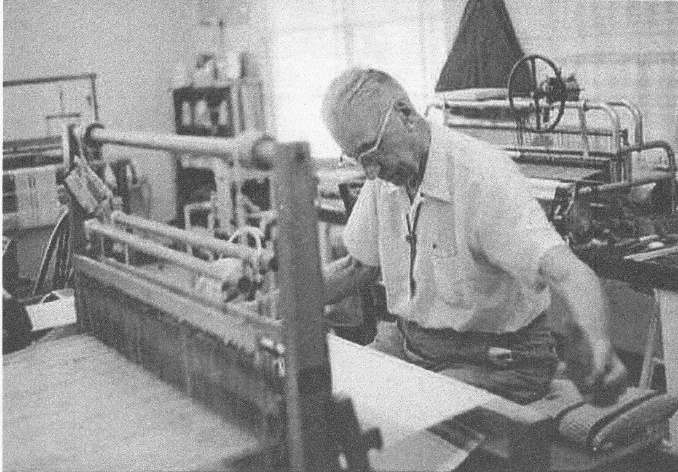
The third year of the 100 Remarkable Residents column begins with a pair of Minnesota natives, Bill (1893 – 1984) and Linda (1891-1983) Benitt. Bill was a descendent of pioneers who traveled west to do missionary work among the Chippewa and Sioux people. Both Bill and Linda earned undergraduate degrees from the University of Minnesota. Bill went on to receive a law degree there, while Linda pursued further study in Boston. In 1917, she became the first woman to graduate from the Harvard - M.I.T. School for Health Officers. As a young public health professional, she worked as a medical social worker at Massachusetts General Hospital, and later served as a Director of the After Care Division at the Harvard Infantile Paralysis Commission. Her professional life shifted in 1922 when she married Bill, then a young attorney.
After marrying and settling back in Minnesota, the Benitts realized they were not fully satisfied with their original career paths in law and public health. They turned their attention to agriculture and, in 1938, established Apple Acres, a 200-acre farm. In addition to running the farm, Linda remained an active advocate for education, public health, and community. Bill continued to practice law and became a leader in conservation. He wrote articles for the American Society of Agricultural Engineers, served as President of the Minnesota Fruit Growers Assoc., and chaired the State Soil Conservation Committee.
Upon retirement, the Benitts sold their farm and joined the Memorial Home Community (now Penney Retirement Community) in early 1961. They quickly became active members of campus life. In 1960 - prior to Medicare – a three-person Insurance Committee had been formed by the residents’ association to research hospital insurance options for permanent residents of the Mary Olin Clinic - predecessor to the Pavilion. When the Benitts arrived, this was a contentious issue. Bill acted as legal advisor to the committee and guided the establishment and incorporation of the Clinic Benefit Society - predecessor to the Resident Aid Fund. Bill served as its president. As explained in an October 1961 letter to residents, the Society was “an organization of members of Memorial Home Community who, under their own Articles of Incorporation and By Laws, band together to help care for some of the expenses of Permanent Resident Members in the Clinic and give peace of mind to the other members of the Society who might someday become permanent residents in the Clinic.” Residents who chose to join paid $5-$15/month. If they later became permanent clinic residents, the Society paid a set amount each month to the Memorial Home Community to help defray their expenses.
When the Benitts arrived, they also brought with them a shared passion for weaving. They taught others, and it became a popular hobby. Before construction of the Diebold Arts & Crafts Center, the weaving studio was housed in the building that now serves as the Archives. Bill served on numerous committees, and as President of the Residents’ Association. Linda served on various committees and assisted with many programs.
Both Bill and Linda lived out the remainder of their lives in our community, spending their final years in Beyer House. Upon their deaths, there were no services or burials.
Centennial Trivia: January 1926
Fifteen new residents were welcomed into the Penmor community during January 1926. At the time our community was located in the former Dowling Shands Lumber Mill cottages near the St Johns River. Three of these new residents had been born in Scotland, and two in France. These new residents moved here from Texas, Indiana, South Dakota, New York, Vermont, North Carolina, and Georgia. At this time, the Penmor Association had the following active committees: Welfare, Welcoming, Improvement, Recreation, and Social.